
1. Quick Answer
The best travel insurance companies for visitors to the USA in 2026. Compare best visitor insurance plans for USA 2026.
Compare IMG Plans and Seven Corners for most travelers
WorldTrips for younger adults
Trawick International for budget travel
Review INF Plans for seniors or visitors with chronic or ongoing medical conditions
For a typical 60–90 day family visit from India, the most reliable choices are IMG or Seven Corners with USD 250,000–500,000 medical coverage and a USD 100–250 deductible.
Visiting the United States is exciting, but it also means entering one of the costliest healthcare systems in the world. Even a simple emergency room visit can easily cost USD 3,000 to 7,000, and overnight observation stays often reach USD 15,000 to 25,000. These numbers are surprising for many travelers, especially parents and seniors visiting family, because they are far higher than what most people are used to back home.
At OnshoreKare, we have worked with thousands of travelers visiting the United States from India and other regions. Over the years, we have seen which plans handle claims smoothly, which ones offer reliable network access, and how visitors can select the right coverage without confusion. This guide starts with the direct answers travelers search for most and then walks through the details that influence coverage, cost, and outcomes.
2. How We Chose These Companies
Our recommendations are based on real patterns we see when travelers use these plans during medical situations in the United States. We evaluate each insurer and plan based on:
- Strength of emergency medical coverage
- Clarity and reliability of acute onset or pre-existing condition handling
- Access to established U.S. PPO hospital networks
- Claims performance and documentation requirements
- Suitability for seniors, long stays, or first-time visitors
- Pricing relative to coverage and risk
- Support quality during emergencies
Only plans that consistently deliver predictable coverage and reliable claim outcomes for visitors from India and other regions are included in this list.
3. Best Travel Insurance Companies for USA Visitors in 2026
3.1 International Medical Group (IMG)
Best Overall for Most Visitors — Strong Networks + Reliable Claims
IMG is usually our first recommendation for visitors traveling from India to the U.S., especially parents and adults staying 30–180 days. They consistently balance coverage strength, claims clarity, and U.S. PPO access better than most competitors do.
Why IMG works:
- Strong emergency medical limits (USD 100,000–500,000 recommended)
- Access to the UnitedHealthcare PPO, one of the largest U.S. hospital networks
- Clear rules for sudden symptoms / acute onset events
- Reliable for first-time visitors or travelers unfamiliar with U.S. medical processes
Best for:
- Parents and seniors 55–75
- First-time USA visitors
- 30–180 day stays
- Travelers with controlled conditions (diabetes, hypertension, thyroid, cholesterol)
Watch out for:
- Benefits narrow for 70+; compare with INF or Seven Corners
- Claims rely on complete billing documentation
Action: Compare IMG plans for your U.S. visit
3.2 INF Plans
Best for Visitors With Pre-Existing Conditions — Beyond Acute Onset Coverage
INF offers broader pre-existing condition coverage than standard visitor plans, making it uniquely suited for seniors and parents traveling from India.
Why INF is different:
- Coverage available for ongoing medical conditions — not just acute onset
- Good for diabetes, hypertension, thyroid issues, heart conditions
- Suitable for visitors 60–80+
- Strong fit for long stays needing follow-up care
Best for:
- Visitors with chronic medical conditions
- Seniors 65–80
- Insurance plans for long USA visits (60–180 days)
Watch out for:
- Higher premiums
- Must select the correct plan type
- Claims require strong documentation
Action: Review INF plans for visitors with chronic or ongoing medical conditions
3.3 Seven Corners
Best for Seniors and Longer Stays — Higher Limits + Strong Evaluation Coverage
Seven Corners is a strong alternative to IMG and often the better fit for seniors, longer visits, or travelers who want higher limits for emergency testing and observation.
Why seniors prefer Seven Corners:
- High medical maximums (USD 250,000–500,000 recommended)
- Strong for cardiac evaluations, dizziness, blood pressure episodes
- Good network access across major U.S. cities
- Flexible plan durations
Best for:
- Parents and seniors (60–78)
- Visitors staying 60–180 days
- Travelers who want predictable claim outcomes
Watch out for:
- Slightly higher premiums for younger travelers
- Complex overlap rules for chronic conditions
Action: View Seven Corners plans for senior and long-stay visitors
3.4 WorldTrips (Atlas Series)
Best for Younger Adults — Affordable, Predictable, Clear Acute Onset Rules
WorldTrips offers one of the best price-to-coverage ratios for younger visitors. Their Atlas series provides solid emergency protection and clear plan terms at a competitive rate.
Why WorldTrips works:
- Excellent value for adults under 50–55
- Clear acute-onset rules
- Lower premiums than IMG/Seven Corners for younger travelers
- Simple plan structures
Best for:
- Young adults, students, interns
- Visitors with low medical risk
- 15–90 day trips
Watch out for:
- Not ideal for seniors or parents
- Network access weaker than IMG / UHC PPO
Action: Explore WorldTrips plans for students and younger adults
3.5 Trawick International
Best Budget Option for Short Trips — Simple, Affordable, Reliable Basics
Trawick is the right choice for healthy travelers who want low-cost coverage for a short U.S. visit.
Why Trawick works:
- Very affordable premiums
- Adequate emergency room coverage
- Flexible deductibles
- Strong fit for short stays < 30 days
Best for:
- Budget travelers
- Short vacations
- Quick business visits
- Young visitors
Watch out for:
- Not appropriate for seniors
- Acute-onset benefits weaker
- Not ideal for long stays
Action: Check affordable Trawick plan options
4. What Does Visitor Insurance Include and Why Is It Necessary?
Many visitors choose a plan without fully understanding how coverage works once they need medical care in the United States. Knowing the core benefits, plan types, and how hospital networks operate helps visitors avoid the most common and costly mistakes.
4.1 Do all visitors need travel medical insurance for the USA?
Yes. Visitors should consider travel medical insurance because healthcare in the United States is significantly more expensive and unpredictable than in most countries. Even straightforward medical issues can involve multiple charges from doctors, labs, imaging centres, and emergency departments.
Older travellers, especially parents and seniors, face a higher likelihood of needing sudden evaluations for symptoms like dizziness, chest pressure, or blood pressure fluctuations.
Buying the plan before departure ensures coverage is active on arrival. Plans purchased after landing may reduce or restrict benefits.
4.2 What does travel medical insurance usually cover?
Coverage varies by plan, but most visitor insurance typically includes:
- Emergency room treatment
- Doctor and specialist consultations
- Hospitalisation
- Ambulance services
- Diagnostic tests such as X-rays, MRIs, and CT scans
- Prescription medication
- Surgery when medically necessary
- Emergency medical evacuation
- Acute onset of pre-existing conditions (depending on the plan)
Emergency medical evacuation can cost USD 20,000 to 50,000 or more, which is why this benefit is essential for visitors traveling to smaller towns or areas with limited medical facilities.
4.3 What types of visitor insurance plans are available?
Fixed / Limited Plans: lower premiums, fixed payout limits, higher out-of-pocket risk.
Comprehensive Plans: broader protection, better suited for seniors and long stays.
Comprehensive Plans
These plans cost more but cover a larger portion of hospitalisation, emergency room care, imaging, and surgeries. They are better suited for seniors, longer stays, and visitors who want fewer financial surprises during medical situations.
Outcome difference:
Fixed plans can leave visitors paying thousands out of pocket in common ER cases. Comprehensive vs fixed coverage plans usually reduce out-of-pocket costs to the deductible range.
4.4 Why do PPO networks matter in the United States?
How U.S. PPO networks reduce hospital bills United Healthcare and First Health offer negotiated rates, reduce out-of-pocket costs, and simplify billing. Using an in-network hospital can significantly lower the cost of an ER visit.
Using a PPO network hospital can reduce the average cost of an ER visit compared to out-of-network facilities.
5. Which Travel Insurance Plans Work Best for Different Types of Visitors?
Travelers visit the United States for different reasons, and their medical needs vary based on age, trip duration, destination, and overall health. A single recommendation rarely fits everyone. The easiest way to make sense of visitor insurance is to look at which plans match different traveler profiles. The questions below reflect real doubts people have when choosing a plan for a U.S. trip.
5.1 What is the best travel insurance for first-time visitors to the USA?
If you are visiting the United States for the first time, you need a plan that is simple to understand, reliable during emergencies, and accepted widely across major cities. First-time visitors often feel uncertain about U.S. hospital processes, so having clear benefits and predictable coverage can ease many concerns.
Recommended plans:
- IMG
- Seven Corners
Why these plans usually work:
- Strong emergency medical limits that cover common ER situations
- Access to established U.S. hospital networks
- Clear plan structures that do not overwhelm first-time travelers
- Balanced deductibles and coverage options for short and medium stays
Best suited for: tourists, family visits, business travelers, and anyone unfamiliar with the U.S. healthcare system.
5.2 What is the best travel insurance for seniors or parents visiting family in the USA?
Older visitors have a higher chance of needing medical evaluation, even during short stays. Tests like ECGs, bloodwork, scans, and observation can add up quickly. Plans designed with higher limits and age-friendly support provide better security in these situations.
Recommended plans:
- Seven Corners
- INF
Why seniors prefer these:
- Higher medical maximums (USD 250,000 to 500,000)
- Consistent handling of sudden symptoms
- Better alignment with age-related medical risks
- Suitable for 60–90 day and longer stays
Best suited for: parents visiting children, seniors attending events, and older travelers staying for several weeks or months.
5.3 What is the best travel insurance for visitors with medical history or controlled conditions?
Many travelers have stable conditions such as diabetes, thyroid issues, high blood pressure, or cholesterol. These are common and manageable, but visitors must choose plans with clear acute-onset support in case symptoms appear unexpectedly.
Recommended plans:
- IMG
- INF
- WorldTrips
Why these plans stand out:
- Clearer definitions of acute onset benefits
- Predictable guidelines for stable conditions
- Fewer restrictions for travelers on long-term medication
- Balanced limits tailored to adult travelers
Best suited for: travelers with well-managed health conditions who want reliable protection during sudden medical episodes.
5.4 What is the best budget-friendly travel insurance for a short trip?
If your stay is brief and you are young and healthy, you may not need very high coverage limits. A moderate plan can offer solid emergency protection without stretching your budget.
Recommended plan:
- Trawick International
Why it works for budget travelers:
- Affordable pricing
- Essential emergency medical benefits
- Flexible deductibles
- Designed for short stays and low-risk travelers
Best suited for: short vacations, solo travel, quick business trips.
5.5 What is the best travel insurance for long stays (60–180 days)?
Travelers staying for several months need more than basic emergency coverage. Longer visits mean a higher chance of needing repeat consultations, follow-up tests, or treatment for sudden symptoms.
Recommended plans:
- Seven Corners
- INF
Why these fit long stays:
- Flexible plan durations
- Higher limits suitable for extended stays
- Reliable network access across the U.S.
- Good support for age-related or sudden symptoms
Best suited for: extended family visits, recurring yearly visits, sabbaticals, and multi-month stays.
5.6 What is the best travel insurance for students or short-term work travelers?
Students and temporary workers often need affordable coverage with clear emergency medical protection, especially if they are staying for academic or professional programs.
Recommended plan:
- WorldTrips
Why it works:
- Strong benefits for injuries and sudden illnesses
- Good fit for younger travelers
- Predictable coverage across campuses and city hospitals
- Competitive pricing
Best suited for: students, interns, trainees, and short-term workers.
6. Start With a Personalized Recommendation
Most visitors are not sure which plan fits their profile — age, health history, city of travel, and duration all change the recommendation.
Use the OnshoreKare Risk Calculator to quickly identify the right coverage level and match it to a suitable plan.
7. Real medical cost scenarios that visitors commonly face in the USA
Medical care in the United States is structured very differently. Costs reflect the combined charges of doctors, diagnostic facilities, laboratories, emergency rooms, and specialists. These are billed separately, which is why even straightforward medical situations often become expensive.
These examples show why choosing coverage below USD 100,000 is risky. Even routine situations in the United States quickly escalate into thousands of dollars in combined doctor, facility, imaging, and specialist charges.
Scenario 1: A fall that requires emergency care and scans
A visitor slips on wet steps and injures their knee. The emergency room performs an examination, takes X-rays, and orders a CT scan to rule out fractures. A specialist evaluates the scans before releasing the visitor.
Typical costs include:
- Emergency room evaluation between USD 1,500 and 3,000
- X-ray between USD 300 and 600
- CT scan between USD 2,500 and 5,000
- Specialist consultation between USD 300 and 600
Total estimated cost: USD 4,500 to 9,000.
Why this matters: A fixed plan or a USD 50,000 limit will not cover this scenario fully. Comprehensive plans reduce out-of-pocket expenses significantly.
Scenario 2: Chest discomfort in a senior visitor
A 68-year-old parent experiences sudden chest pressure in the evening. The ambulance transports them to the hospital, where doctors run ECGs, blood tests, and monitor them overnight to rule out cardiac concerns.
Typical costs include:
- Ambulance charges between USD 1,000 and 2,500
- Emergency room evaluation and tests between USD 3,000 and 7,000
- Observation stay between USD 10,000 and 15,000
Total estimated cost: USD 14,000 to 25,000.
Why this matters: Seniors should choose limits between USD 250,000 and 500,000 for predictable coverage.
Scenario 3: Sudden dizziness or blood pressure fluctuation
A visitor with well-managed hypertension suddenly feels dizzy. The emergency room performs blood tests, checks vitals, and may provide IV medication. Observation is sometimes required.
Typical costs include:
- Emergency room evaluation between USD 2,000 and 4,500
- Lab tests and medication between USD 800 and 1,500
- Observation between USD 5,000 and 8,000
Total estimated cost: USD 7,500 to 12,000.
These examples show why choosing higher coverage limits is important, especially for older visitors and long stays. Medical costs in the United States escalate quickly even when the issue is not serious.
8. Common mistakes visitors should avoid while choosing a plan
Selecting travel insurance quickly or based only on price can lead to large gaps in coverage. These mistakes are frequent but avoidable.
- Choosing the cheapest plan without reviewing coverage
Low-cost plans may not provide enough protection once you encounter real emergency room costs. - Ignoring the acute onset clause
Travelers sometimes assume that ongoing conditions like diabetes or hypertension are covered. Visitor plans only support sudden and unexpected symptom flare-ups under clearly stated conditions. - Choosing a high deductible without understanding the impact
A high deductible can lower the premium but also increases out-of-pocket expenses at the time of treatment. - Purchasing the plan after arriving in the United States
Some plans restrict benefits if purchased after arrival. Buying the plan in advance ensures coverage begins the moment you land. - Not checking network hospitals in your destination city
If the hospital does not participate in the insurer’s network, charges may be higher and claims can become more complicated. - Not keeping medical paperwork
Missing bills or incomplete medical reports are among the most common reasons for claim delays.
Avoiding these mistakes gives you more predictable and stress-free coverage during your trip.
9. How to choose the right travel insurance plan for your USA trip
Choosing travel insurance for a trip to the United States does not have to feel overwhelming. Once you understand how medical care works in the U.S. and what different plans actually cover, it becomes much easier to make a confident decision. The companies listed in this guide offer dependable coverage, but the right choice depends on your age, your health history, and how long you plan to stay in the country.
Visitors who choose adequate medical limits, simple deductibles, and plans with clear benefits tend to have more predictable experiences during emergencies. Whether you are traveling for a short vacation or planning a long family visit, the goal is the same: you should be able to enjoy your time in the United States without worrying about unexpected medical expenses.
If you want a personalised recommendation, you can use the risk calculator or visit our comparison page to explore plan options in detail. Not sure which category you fit into? Use the plan finder for a personalized match.
Use the Risk Calculator to find your coverage level →
10. Frequently Asked Questions – Visitor insurance FAQ library
Below are some of the most common questions asked by families, first-time travelers, and visitors planning to stay in the United States for several weeks or months. These answers are based on real situations we see often and can help you understand how visitor insurance works in practice.
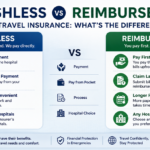
1. How reliable is cashless or direct billing for international visitors in the U.S.? Do hospitals actually accept it?
Direct billing is possible, but it is not guaranteed. Hospitals in the United States operate independently, and each facility decides whether to coordinate billing directly with an insurer. Larger hospitals in big cities are more familiar with visitor insurance networks and may be willing to bill the insurer directly if the plan includes a recognised PPO network.
Smaller clinics, private practices, rehabilitation centers, and many urgent care facilities often request upfront payment. Ambulance services also tend to charge visitors directly. Because direct billing depends on the hospital’s own policies, it is always best to check the plan’s network list and ask the hospital’s billing desk at the time of treatment.
If you would like help checking network coverage for a specific insurer, you can use the internal comparison page for quick reference: https://www.onshorekare.com/visitors-insurance/
2. For a visitor with diabetes or hypertension, what insurance configuration is considered safe for a U.S. stay?
Visitors with controlled conditions should choose a plan with a clear acute onset clause, a higher medical limit, and a low deductible. A limit between USD 250,000 and 500,000 is a safer range for seniors or anyone who has needed medical care in the past.
A deductible between USD 100 and 250 helps reduce out-of-pocket expenses. Emergency medical evacuation should also be included for travelers visiting smaller towns or areas with limited medical facilities. This configuration prevents most ER scenarios from becoming out-of-pocket expenses.
3. What are the most common reasons for claim denial or partial payment for visitors in the U.S.?
Most claim denials occur due to documentation gaps, unclear symptom history, or treatment outside the plan’s coverage definitions. Common causes include missing itemized bills, absent doctor notes, or incomplete claim forms. Treatment for ongoing pre-existing conditions without meeting the criteria for acute onset is another common cause of denial.
Claims can also be partially paid when the visitor receives treatment at a hospital that does not participate in the insurer’s network because out-of-network charges are often higher than standard negotiated rates. Keep every receipt and request written documentation at the time of treatment.
4. Which costs usually remain out of pocket even when you have visitor insurance?
Even with good coverage, some expenses may still fall on the visitor. Ambulance services often bill separately and may not always be fully covered. Prescription medicines purchased outside the hospital, out-of-network surcharges, and deductibles must also be considered.
Some follow-up visits or non-urgent services may not be included depending on the plan. Reviewing policy documents before purchasing helps avoid surprises when a medical event occurs.